Pedals and Ports: Seamless Journeys Along Spain’s Mediterranean Edge

Set your wheels and wanderlust in motion as we explore how to synchronize ferry timetables with bike routes along Spain’s sunlit Mediterranean shore. From Catalonia’s promenades to Andalusia’s sea breezes, and Balearic crossings in between, you’ll learn practical planning moves, timing tactics, boarding know-how, and story-rich itineraries that turn coastal logistics into carefree flow.

Where the Blue Meets the Bikeway

Follow EuroVelo 8 as it braids seafront promenades and quiet service roads, dipping inland when cliffs or highways pinch the shoreline. The Ebro Delta’s marsh edges offer bird-filled detours, while Turia River paths glide straight into Valencia’s core. Southward, Mar Menor loops are wind-sheltered and scenic. In Andalusia, the Senda Litoral connects boardwalk segments, fishing villages, and beachside parks, letting you pause for swims yet still rejoin practical corridors that nudge you toward evening ferries without stress.

Ports That Play Nicely With Bikes

Major gateways like Barcelona, Valencia, and Dénia serve Balearic crossings and typically provide clear signposting for cyclists. Málaga and Almería connect to Melilla, with terminals accustomed to foot passengers rolling bikes aboard via vehicle decks. Smaller coastal towns may host seasonal boats that occasionally accept bicycles, especially folding models, though policies vary. Study terminal maps, note cycle-friendly entry points, and plan gentle arrival ramps, so your final kilometers feel celebratory rather than chaotic among trucks, taxis, and disoriented first-timers.

Seasonal Patterns You Cannot Ignore

Summer increases frequency on high-demand routes, but it also crowds boarding lanes and boardwalks, slowing bicycle progress near beaches. Spring and autumn bring steadier winds, softer temperatures, and kinder lodging prices, yet some tourist boats reduce operations. Holiday weekends produce sudden sell-outs across cabins and bike slots. Build flex days into your map, favor early departures to avoid heat shimmer, and keep an eye on regional festivals that tighten accommodation and compress terminal space exactly when you planned to coast in smiling.

Timetable Mastery Without Tears

Schedules are more than departure columns; they are choreography. Understanding check-in cutoffs for cyclists, boarding sequences, and overnight options transforms stress into harmony. Pay attention to seasonal calendars, special sailings before public holidays, and maintenance downtimes. Pair ferry windows with realistic riding distances and wind forecasts, leaving cushions for photo breaks, puncture fixes, and irresistible seaside cafés. With smart pacing, you will arrive unhurried, with energy to enjoy harbor sunsets and the gentle rumble of engines promising tomorrow’s horizon.

Boarding With a Bicycle: Rules, Ramps, and Realities

Rolling onto a ferry is part ritual, part teamwork. Operators typically accept bicycles on the vehicle deck, often free or for a small fee, yet procedures differ. Expect reflective-vest zones, tie-down points, and staff instructions about which ramp to use. Bring soft straps to protect paint and a rag to cushion contact points. Photograph the lash-down before sailing, stow bags securely, and carry valuables upstairs. When disembarking, wait for crew signals, then exit smoothly past ramps, trucks, and excited holidaymakers.

Policies That Matter

Baleària and other major lines usually allow bicycles if selected during booking, assigning space on the vehicle deck. Some boats limit capacity on peak sailings, so it pays to reserve early and arrive before the recommended cutoff. Folding bikes sometimes count as luggage, but confirm in writing. Helmets are not required on board, yet reflective accessories help in dim garages. Carry a small lock for peace of mind and label panniers, since crew may reposition gear while optimizing the tie-down grid.
From Terminal to Tie-Down

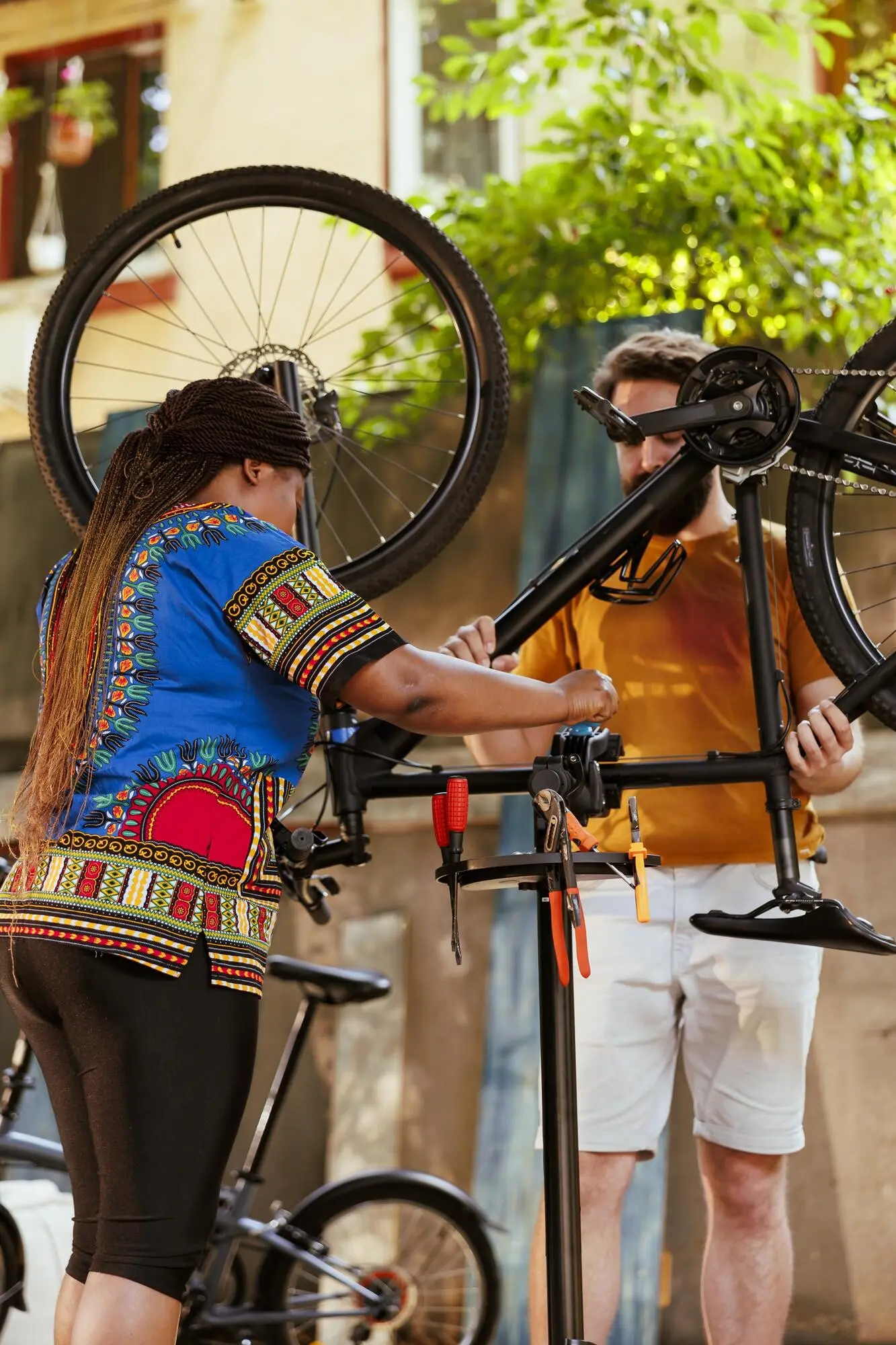
Arrive 60 to 90 minutes early, follow bicycle icons or staff waved directions, and keep one ear open for deck announcements. You will roll up a vehicle ramp—steady cadence, eyes ahead—then pause as crew point to chocks and rings. Use two or three straps, securing the frame and a wheel, leaving the drivetrain free. Remove lights and a top tube bag, shift to an easier gear for departure, and snap a quick photo of the setup. Then breathe, hydrate, and watch the skyline drift.
Anecdote From the Dawn Boat

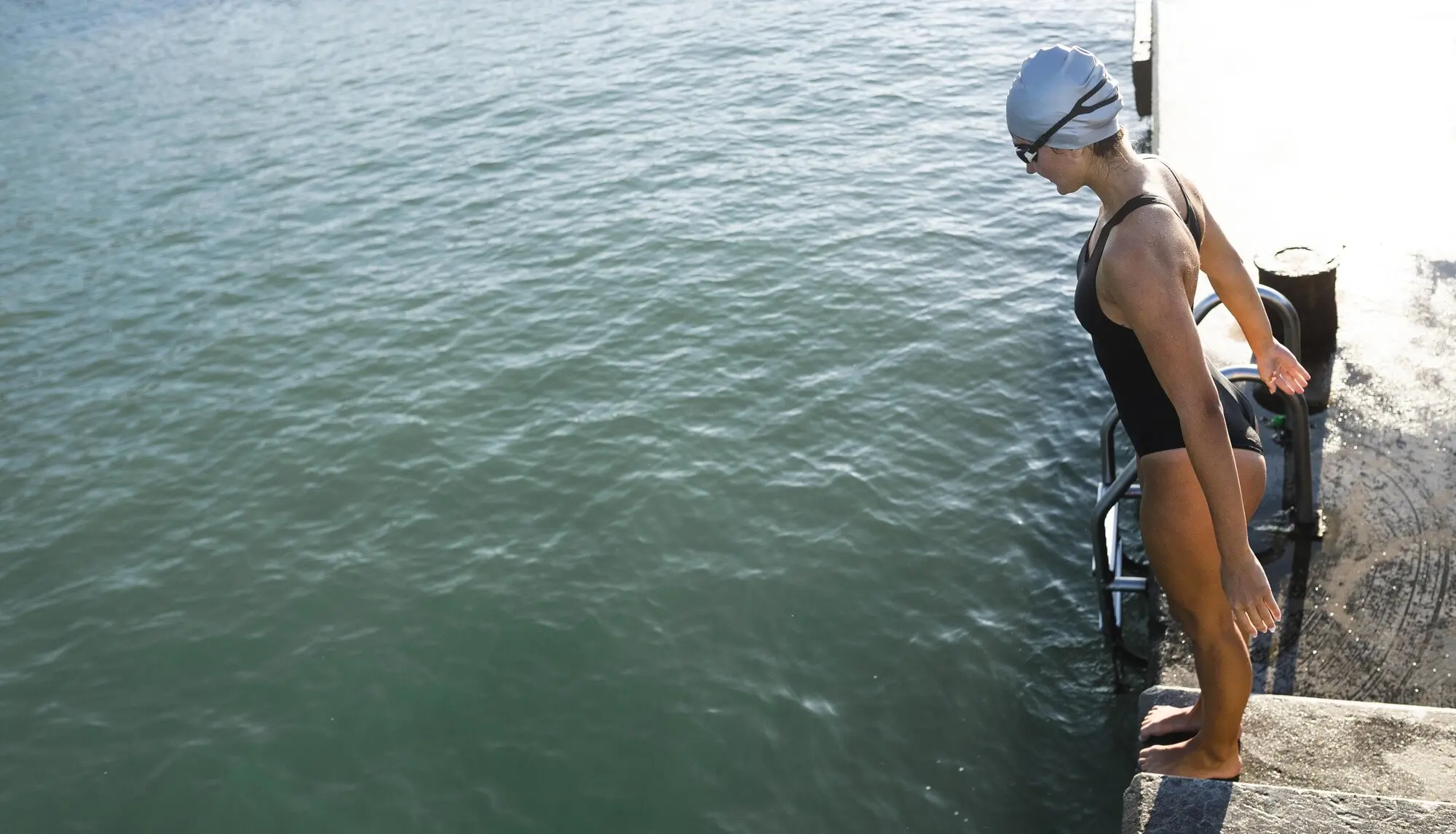
One spring morning, after a soft-spin from orange groves into Dénia, a rider joined the first sailing bound for the islands. The crew, still yawning kindly, guided bikes nose-to-stern beside camper vans. A thermos coffee warmed fingers while sunlight unrolled behind Montgó. When the ropes slipped, nerves did too. Hours later, tires touched fresh asphalt, gulls called, and the day’s ride began with a quiet promise: simple systems, trusted people, and patient timing can turn complex logistics into joy.
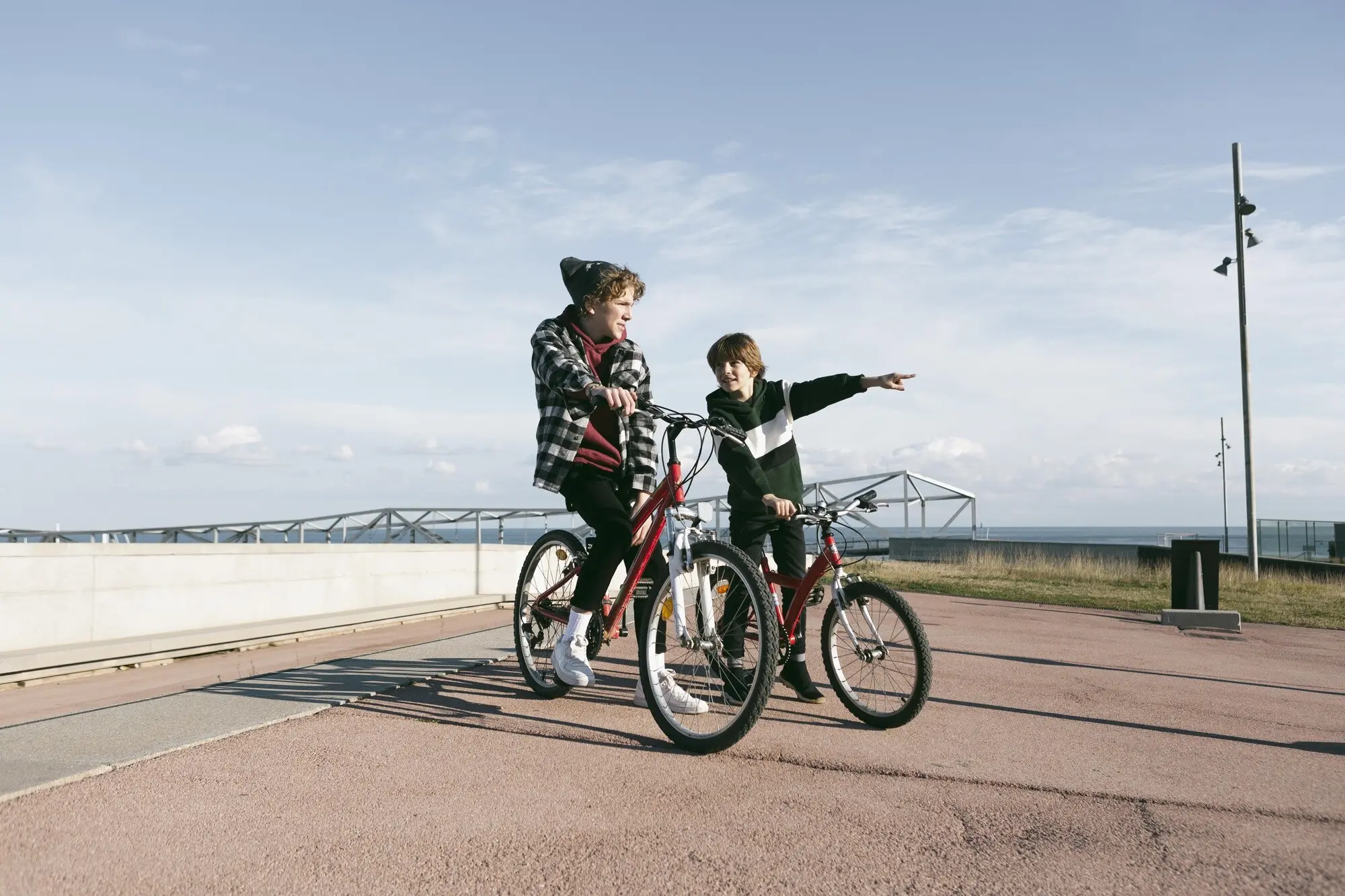

Route Craft: Winds, Surfaces, and Savoring the Coast

The coastline is more than a line; it is a living corridor shaped by wind roses, microclimates, and changing surfaces. Planning with prevailing breezes and avoiding pinch points keeps your rhythm graceful. Look for cycleways that bypass the N-340, respect dismount zones on crowded promenades, and favor greenways feeding directly into cities. Hydration stops, shade strategies, and light timing all matter. With thoughtful pacing, you will savor swims, tapas, and sunsets without sacrificing safety or missing an evening sailing.

Chasing or Escaping the Levante

Levante winds can power you southbound along Valencia’s flats, while Tramuntana sometimes nudges Costa Brava schedules and riding comfort. Check wind maps the night before and consider flipping direction to transform headwinds into heroes. Start early to beat thermal breezes and pause at midday when gusts and heat amplify. Bridges and exposed deltas magnify wind effects, so anticipate lower speeds there. When in doubt, shorten stages before a ferry, protecting your margin for a relaxed roll into the terminal.

Surfaces and Safety

Promenades can turn from silky to sandy in a heartbeat, especially near beach access points. Boardwalks demand courtesy and, at times, walking the bike. Inland detours like the Vía Verde de la Val de Zafán toward Tortosa or the Vía Verde de Ojos Negros toward Sagunto soothe nerves with calm gradients. Spanish rules call for lights at night and a helmet outside urban areas, with exceptions; reflective elements increase visibility at dawn. Prioritize patience over pace, especially before complex port approaches.

Water, Shade, and Siesta

Fountains signed as fuentes keep bottles topped, though salinity varies near marshlands. Carry electrolytes for humid stretches and plan shade breaks under pines or in seaside squares. Midday shutters still fall in smaller towns, so stock snacks before siesta hours. Cooling swims are tempting but budget time to rinse salt, re-lube the chain, and reset focus. Aim to reach ferries with calm heart rates, hydrated muscles, and a little cushion for paperwork, queues, and those irresistible photos of hulls against gold water.

Itineraries That Flow

Bring it all together with routes that pair satisfying daily distances and sensible sailings. Mix urban bike lanes, greenway ribbons, and fragrant coastal roads, then step aboard vessels that propel your narrative forward. Each sample balances scenery, services, and slack for curiosity. None depend on superhuman pacing; instead, they celebrate well-timed mornings, relaxed café rituals, and efficient evenings. Feel free to remix these sketches, swap rest days, and invite local tips from riders who know wind corners and bakery openings by heart.

Digital Toolkit and Paper Backups

Technology turns uncertainty into clarity, but only if paired with analog resilience. Use routing apps that understand surface types and elevation, overlay wind forecasts, and bookmark official ferry pages for last-minute updates. Download offline maps before rural stretches and carry printed summaries of key turns and reservation codes. Keep chargers and a power bank accessible during crossings. When crowds surge, screenshots beat weak Wi-Fi. A small notebook protects critical numbers, tide of ideas, and triumphant checklists as horizons roll closer.

Maps That Understand Cyclists

Komoot and Ride with GPS highlight bike-friendly surfaces, suggest detours when promenades forbid riding, and reveal elevation that matters on cliff-backed segments. OpenStreetMap layers often mark fountains and bike shops, while Spain’s IGN resources add contour nuance. Cache tiles for offline reliability, star bailout train stations where bikes are allowed, and colour-code ferry-day routes for shorter, stress-free timing. The best map is the one you actually open before decisions turn minor misreadings into sweaty, late-terminal sprints.

Ferry Finders and Official Sources

Check operator apps such as Baleària or Trasmed for live updates, then compare prices and sailings with reliable aggregators like Ferryhopper or Direct Ferries. Port authority websites sometimes post construction notices affecting cyclist access paths. Save terminal sketches pinpointing bicycle-friendly gates and ramps. If a route disappears off-season, search nearby ports within a half-day ride to restore continuity. Set alerts for schedule changes, and capture PDFs of confirmed sailings to avoid drama when signal bars vanish behind steel and concrete.

Weather, Swell, and Light

AEMET forecasts and Windy visualizations help weigh breezes against your intended direction, while sunrise and sunset times frame humane departure windows. The Mediterranean’s tides are modest, but swell still shapes comfort and small-boat operations. Heat builds over reflective promenades, so start earlier and pause under shade. Afternoon sea breezes can freshen crossings, and post-storm days feel crystalline. Calibrate clothing layers for cool decks and hot shorelines, keeping a wind shell reachable for those unexpectedly bracing moments near open rails.

Budget, Comfort, and Community

Coastal adventures thrive when wallets and legs feel equally respected. Early ferry bookings unlock calmer cabins, and seat choices sometimes include quiet zones for better rest. Snack strategies, refilling bottles at ports, and choosing lodgings near terminals reduce last-minute sprints. Share questions and route tweaks with fellow riders, and pay forward local kindnesses with accurate updates. When you finish a segment grinning, post a track, wave others in, and help the shoreline feel friendlier, ride by ride, port by port.

Stretching Euros Without Stretching Energy

Book shoulder-season crossings for lower fares and friendlier crowds, then combine overnight sailings with simple cabins to replace a hotel. Picnic before boarding to avoid premium prices, and refill bottles at terminal fountains. Prioritize accommodations within a short glide of departure ramps, saving energy for scenery rather than logistics. Share multi-cabin bundles with friends when policies allow, and always keep a small stash for unexpected pastries that transform a wind-humbled morning into a victory lap under merciful shade.

Gear That Works Twice

Choose layers that handle breezy decks and noon heat: light wind shell, breathable jersey, and quick-dry shorts. Soft straps protect paint during tie-downs, while a compact lock deters curious hands. Pack charging cables in a top pouch so you can juice electronics from lounge outlets. A microfiber cloth handles chain wipe-downs after salty air. Keep sandals for deck wandering, and stash sunscreen near boarding passes. Everything earns its keep twice—once on the water, once rolling past palm-framed horizons.